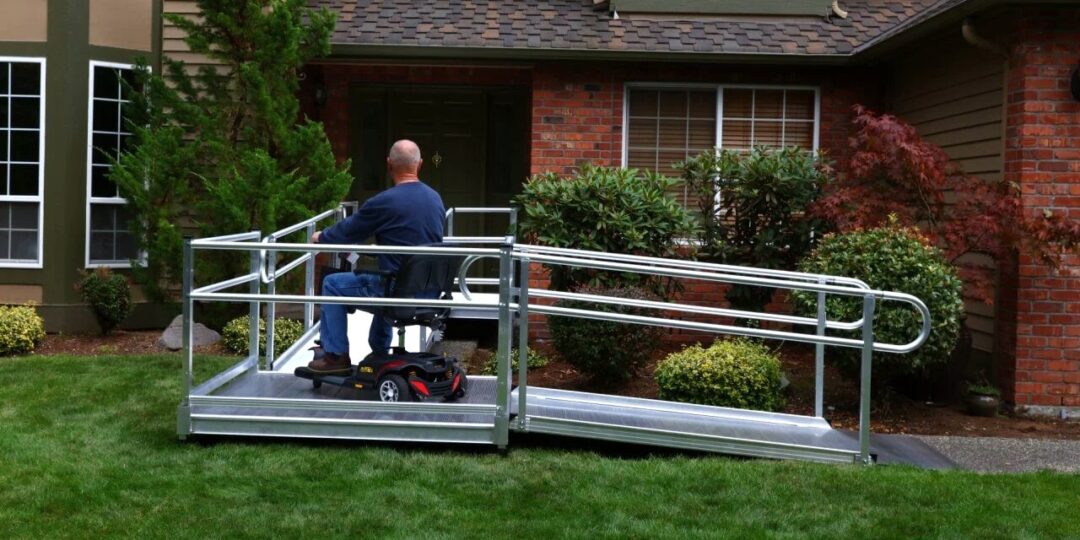
Wheelchair Ramps for Atlanta Homes and Businesses in 2026
From Aging-In-Place Renovations to Post-Surgery Recovery…
As communities across north Georgia and metro Atlanta continue to age, accessibility has become a central part of smart property planning. In 2026, wheelchair ramps for Atlanta homes and businesses are no longer treated as temporary add-ons—they are carefully engineered accessibility solutions designed for safety, durability, and long-term usability.
From aging-in-place renovations to post-surgery recovery and commercial accessibility improvements, today’s ramp systems are stronger, more adaptable, and more visually refined than ever. Property owners expect solutions that meet safety standards, perform in Georgia’s climate, and complement the architecture of the home or building.
Modern accessibility is about independence with dignity—and professional installation plays a critical role.
Why Accessibility Matters More in 2026
Metro Atlanta’s housing inventory includes many older homes with elevated porches, split-level entries, and multiple grade changes. These features were never designed for mobility devices. At the same time, businesses face increasing expectations to provide safe, accessible entrances for customers, staff, and visitors.
For residential clients, wheelchair ramps for Atlanta properties are often part of a larger accessibility strategy that may include:
- Curbless roll-in showers
- Widened doorways
- Roll-under sinks
- Improved exterior lighting and handrails
- Walk-in tubs
- Bathroom remodeling at metro Atlanta homes
For business owners, ramps help reduce liability, improve inclusivity, and extend the long-term usability of commercial spaces.
In both settings, modular ramp systems dominate in 2026 because they balance engineered performance with installation efficiency and adaptability to uneven terrain.
Key Features of Modern Modular Wheelchair Ramps
The most successful installations share several core characteristics.
Engineered Safety
Professional ramp systems are designed with documented weight ratings, consistent slope ratios, slip-resistant surfaces, and integrated handrail systems. These engineering details protect users and reduce risk exposure for property owners.
Modular Flexibility
Modular aluminum systems can be configured for:
- Straight runs
- Switchback layouts
- Multiple landings
- Tight site constraints
Because the load-bearing components are pre-engineered, installers can adapt to complex site conditions without custom structural fabrication.
Durability in Georgia’s Climate
Atlanta’s humidity and seasonal rainfall demand corrosion-resistant materials. Aluminum ramps dominate the market because they:
- Resist rust
- Do not require sealing or painting
- Maintain slip resistance in wet conditions
- Offer long service life with minimal maintenance
Improved Visual Design
Today’s systems feature cleaner lines, powder-coated finishes, and layout flexibility that integrates more seamlessly with residential and commercial architecture. Accessibility no longer means sacrificing appearance.
Nationally Trusted Ramp Manufacturers
Professional accessibility contractors increasingly rely on established brands that provide engineering documentation and long-term product support.
EZ-ACCESS
One of the most widely used modular ramp manufacturers in the United States, EZ-ACCESS systems are trusted for residential and light commercial applications. Their components are engineered for consistent performance and backed by strong product support.
Prairie View Industries (PVI)
Prairie View Industries produces modular ramp systems known for lighter-weight components and widespread availability through mobility suppliers. Their systems are often used for residential entries and short-term access needs.
Complementary Accessibility Brands
While not ramp manufacturers, companies such as HealthCraft, Access BDD, and Moen frequently complement ramp installations with grab bars, lifts, and mobility equipment as part of a comprehensive accessibility plan.
Most Popular Ramp Types in 2026
Demand continues to center on three proven categories:
- Permanent or semi-permanent modular aluminum ramps
- Entry and threshold ramps for small elevation changes
- Portable ramps for temporary recovery situations
For wheelchair ramps for Atlanta homes, modular aluminum systems remain the preferred choice because they provide code-aware design, faster installation timelines, and adaptability to changing needs.
Residential vs. Commercial Considerations in North Georgia
Residential Properties
Homeowners typically prioritize:
- Personal safety and independence
- Curb appeal
- Low maintenance requirements
- Integration with porches, sidewalks, and driveways
Many families choose modular systems because they can be extended, reconfigured, or removed as needs evolve. This flexibility makes them especially practical for wheelchair ramps for Atlanta residential properties.
Commercial & Business Properties
Business owners must consider additional factors:
- Public-use durability
- Handrail and guardrail requirements
- Turning platforms and landing sizes
- Long-term accessibility compliance
Professional installation using engineered systems is especially critical in commercial environments where liability and traffic volume are higher.
Aluminum vs. Wood or Concrete: What’s the Right Choice?
A key 2026 industry principle is understanding when not to custom-build.
Choosing between an aluminum wheelchair ramp and a custom-built wood or concrete ramp depends on several factors:
- How long the ramp will be needed
- Maintenance expectations
- Budget considerations
- Climate exposure
- Aesthetic priorities
Aluminum Ramps
Aluminum ramps are often selected when homeowners want a durable, weather-resistant solution with minimal upkeep. They:
- Resist corrosion
- Do not require painting or staining
- Provide slip-resistant surfaces
- Install quickly
- Can be adjusted or removed
For many property owners seeking “install and forget” reliability, aluminum is the safest long-term investment.
Wood Ramps
Wood ramps for metro Atlanta residents are typically chosen when visual integration with a porch or deck is a top priority. They can be custom-built to match architectural details and may feel more permanent in appearance.
However, wood requires ongoing maintenance and may degrade faster in humid climates.
A practical way to decide is to ask:
- Is this short-term or long-term?
- Who will maintain it?
- How important is curb appeal?
- What exposure will it have to rain and humidity?
For many wheelchair ramps for Atlanta installations, aluminum provides predictable performance with lower long-term responsibility.
Market Trends Influencing Accessibility in 2026
Several trends are shaping ramp selection in metro Atlanta:
- Increased aging-in-place planning
- Greater involvement from adult children in renovation decisions
- Higher expectations for manufacturer documentation and warranties
- Preference for nationally recognized brands
These trends reinforce why professionally installed wheelchair ramps for Atlanta properties increasingly rely on engineered modular systems instead of improvised construction.
Wheelchair Ramps for Atlanta Homes by Outdoor Spaces: Integrated Accessibility & Outdoor Living Solutions
As a trusted metro Atlanta landscaping and hardscaping company, Outdoor Spaces approaches wheelchair ramps for Atlanta homes as part of a complete exterior accessibility plan — not just a single add-on feature. Their team designs and builds accessibility patios, widened walkways, zero-step entries, retaining wall transitions, and thoughtfully graded outdoor living spaces that allow homeowners to move safely and confidently from driveway to backyard.
By combining structural hardscaping expertise with mobility-focused design, Outdoor Spaces ensures that ramps integrate seamlessly with paver patios, covered porches, outdoor kitchens, and gathering areas. The result is an outdoor environment that supports independence while maintaining curb appeal, durability, and long-term value — especially important for families planning aging-in-place renovations across metro Atlanta.
Choosing the Right Ramp for Your Property
No two sites are identical. The correct solution depends on:
- Entry height and total rise
- Available yard or sidewalk space
- Manual vs. power wheelchair use
- Anticipated duration of need
- Residential vs. commercial application
A professional site evaluation ensures the ramp layout is safe, functional, and appropriate—particularly for homes with complex entries or tight lot conditions.
The Bottom Line for 2026
In 2026, wheelchair ramps are viewed as long-term accessibility investments—not temporary fixes. The most successful projects combine trusted manufacturer systems, thoughtful site planning, and professional installation.
For both private residences and commercial properties, wheelchair ramps for Atlanta locations should be engineered, adaptable, and built to support safe, confident independence for years to come.
For more information or to schedule a site assessment, contact Atlanta Home Modifications at (770) 880-3405 or reach out online to discuss your property’s accessibility needs.
Frequently Asked Questions (FAQ) About Ramps:
- How long does a wheelchair ramp need to be?
Ramp length depends on the rise (vertical height from ground to entry). The ADA-recommended standard is a 1:12 slope — meaning 1 foot of ramp for every 1 inch of rise — which helps ensure the ramp is safe and easy to navigate. - Do wheelchair ramps have to meet ADA requirements?
Yes, commercial ramps do. However, residential ramps do not. Even for residential ramps, following ADA guidance is smart practice for safety and accessibility. Key aspects include slope ratios, minimum width (typically 36″), handrails when needed, and level landings. Local building codes may also apply, especially for businesses. - What materials are wheelchair ramps made from? Common materials include: Aluminum – rust-resistant, low maintenance, ideal for Georgia’s climate. Wood – offers visual integration with homes but requires more upkeep. Concrete – durable and permanent, often used in commercial settings.
- Can wheelchair ramps be temporary or moved?
Yes. Portable ramps and many modular aluminum systems can be removed or relocated, making them useful for short-term needs or future moves. Permanent wood or concrete ramps are typically fixed. - How long does installation usually take?
Installation time varies by ramp type: modular and portable ramps can often be installed in a few hours, whereas custom wood or concrete ramps may take days or weeks depending on permitting and construction needs. - Are wheelchair ramps only for wheelchair users?
No. Ramps also help people using walkers, scooters, or those with limited balance. They improve safety for anyone who finds stairs challenging. - Do I need a professional to install a wheelchair ramp?
While simple threshold ramps can be DIY, most larger ramps benefit from professional design and installation to ensure safe slope, compliance with accessibility standards, and correct anchoring — especially for commercial properties. - Can ramps improve the value or usability of my property?
Absolutely. Accessible design increases usability for more people, can enhance resale appeal, and ensures compliance with regulations for public-facing businesses.